A perspective piece from The Listening Market
Science Breakthroughs rarely arrive as a single dramatic headline — more often, they show up as a quiet shift in how a whole field talks about a problem, months or years before the wider world notices anything changed at all.
Our take: the Science Breakthroughs shaping 2026 aren’t one big discovery — they’re a handful of areas moving fast enough at the same time that our basic understanding of the world is shifting on several fronts at once. This isn’t a data-backed forecast or a claim about specific confirmed discoveries — just our read on where the momentum seems to be building.
Here’s how we see it.
What Kinds of Science Breakthroughs Seem to Be Shaping 2026?
A few areas stand out as places where the pace of change feels noticeably faster than it did just a few years ago:
- AI-assisted research. Tools that help scientists sift through massive datasets seem to be compressing years of trial-and-error into much shorter cycles.
- Materials science. New approaches to designing materials at a molecular level appear to be opening doors in energy storage, construction, and manufacturing at once.
- Personalized medicine. Treatment approaches tailored to an individual’s biology, rather than a one-size-fits-all standard, seem to be moving from research settings toward real clinical use.
- Climate and environmental modeling. More detailed, faster-running models seem to be giving a clearer picture of environmental systems than was possible before.
- Brain and neuroscience research. Understanding of how the brain processes information appears to be advancing quickly, with implications reaching well beyond medicine.
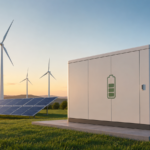
- Clean energy storage. Progress in how energy is stored and released efficiently seems to be a quiet but critical piece of the broader energy conversation.
- Quantum computing research. Still early and experimental, but the direction of progress suggests it’s inching closer to problems classical computing genuinely struggles with.
None of these exist in isolation — the more interesting pattern, as we see it, is how much they seem to feed into each other.
Why Do These Science Breakthroughs Feel Connected Rather Than Separate?
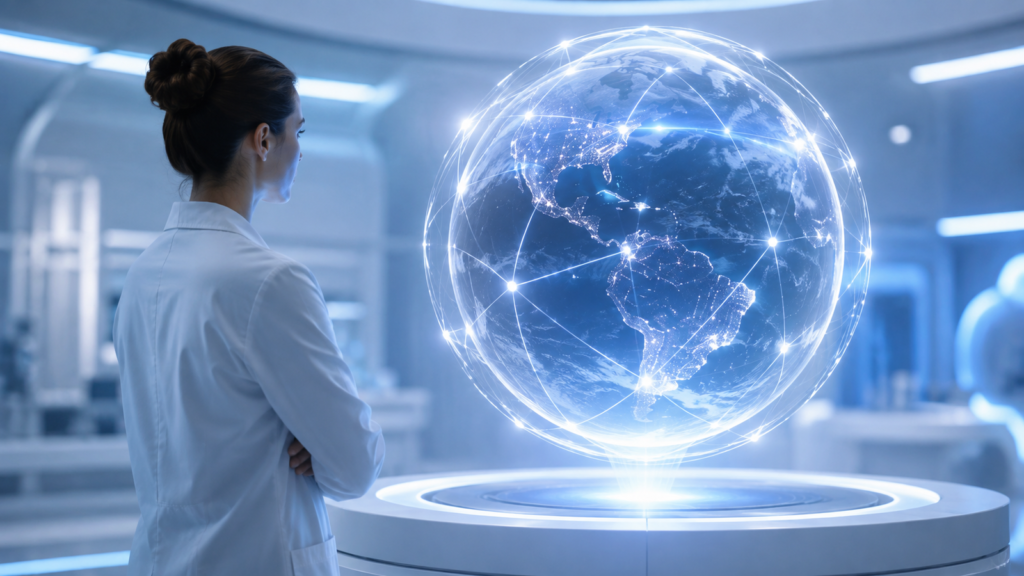
This is one of the more striking parts of the current moment. AI-assisted research seems to be accelerating discovery across nearly every other field on this list — it’s less a standalone breakthrough and more a multiplier sitting underneath the rest.
That kind of cross-pollination looks different from how breakthroughs used to unfold, largely within a single, narrow discipline. Our sense is that this connectedness is a meaningful part of why the pace feels faster right now, not just the individual discoveries themselves.
How Long Does It Usually Take a Breakthrough to Actually Change Daily Life?
Longer than most headlines suggest. A lab result and a real-world application are usually separated by years of testing, refinement, and trust-building before anyone outside the field notices a difference.
Our honest read: most of what gets called a “breakthrough” in 2026 probably won’t visibly change daily life until well into the next decade — which doesn’t make it less significant, just slower to arrive than the announcement made it feel.
Should We Be Skeptical of Breakthrough Claims?
We think a healthy amount of skepticism is warranted, and we’d rather say that plainly than oversell anything here. Early-stage research often looks more dramatic in a headline than it does once it’s been tested, replicated, and scrutinized by the wider scientific community.
That’s part of why we’re framing this as our own read on where things seem to be heading, rather than presenting it as settled, verified fact. Genuine Science Breakthroughs tend to hold up under scrutiny over time — the ones worth paying attention to are usually the ones still standing a few years after the initial announcement, not the ones with the loudest launch.
What Might These Shifts Mean for How We Understand the World?
If even a few of these areas continue at their current pace, our basic assumptions in medicine, energy, computing, and environmental science could look noticeably different within a decade. That’s a big “if” — momentum doesn’t guarantee follow-through, and plenty of promising early research quietly stalls out.
Our sense is that the through-line worth watching isn’t any single field, but how much faster ideas seem to move between fields than they used to.
Where We Think This Is Heading Next
If current patterns continue, we’d expect Science Breakthroughs to keep clustering around areas where computing, biology, and materials research overlap, rather than emerging as isolated events in a single field. We’d also expect the gap between announcement and real-world impact to remain wide, even as the pace of discovery itself keeps accelerating.
None of this is a certainty — it’s our interpretation of where things seem to be moving, and we’ll keep watching it closely. For more perspectives like this, browse our other reads on The Listening Market.
This piece reflects the perspective and observations of The Listening Market team, not data analysis or research findings. We share it as a starting point for conversation, not a definitive source.