SEO Title
Health Risks of Loud Entertainment: 12 Hidden Dangers You Should Never Ignore
Focus Keyword
Health Risks of Loud Entertainment
Meta Description
Health Risks of Loud Entertainment can affect your hearing, sleep, stress levels, and overall well-being. Learn the 12 hidden dangers of loud music, concerts, gaming, and headphones, plus expert tips to protect your hearing.
URL Slug
health-risks-of-loud-entertainment
Health Risks of Loud Entertainment: Why You Should Pay Attention
Health Risks of Loud Entertainment are becoming more common as people spend hours listening to music through headphones, attending concerts, watching movies in surround sound, gaming with high-volume headsets, and visiting clubs or sporting events. While entertainment is an important part of life, repeated exposure to loud sound can gradually damage your hearing and affect your overall health.
Many people don’t notice the effects until symptoms such as ringing in the ears, difficulty hearing conversations, or increased sensitivity to sound begin to appear. Understanding the Health Risks of Loud Entertainment can help you enjoy your favorite activities while protecting your long-term well-being.
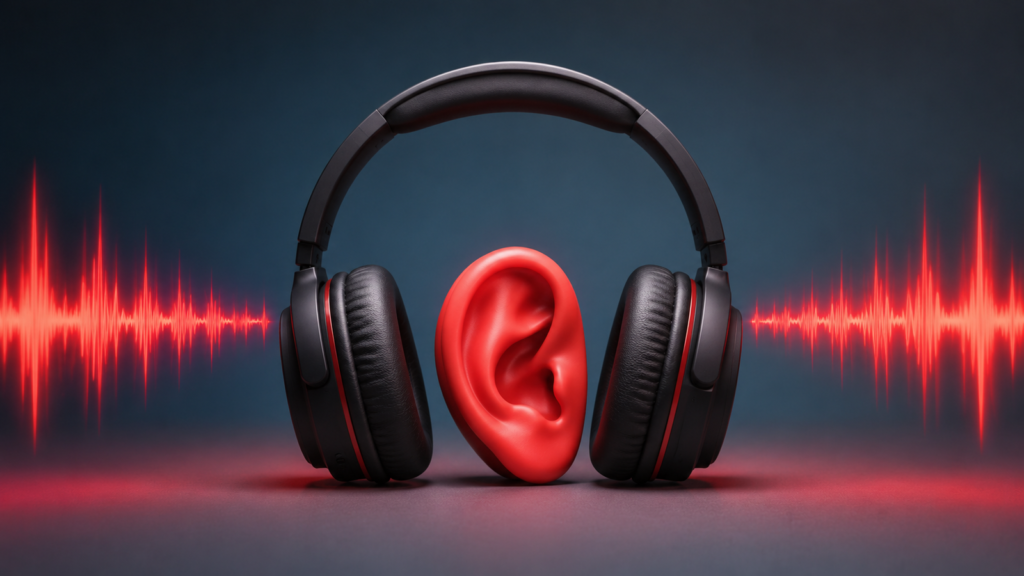
Suggested Featured Image Alt Text: Health Risks of Loud Entertainment
Why the Health Risks of Loud Entertainment Matter
The Health Risks of Loud Entertainment go far beyond hearing loss. Excessive noise exposure has been linked to increased stress, poor sleep, reduced concentration, and a lower quality of life.
Common sources of loud entertainment include:
- Live concerts
- Music festivals
- Movie theaters
- Nightclubs
- Sporting events
- Gaming headsets
- Earbuds and headphones
- Home theater systems
Listening at unsafe volume levels for extended periods can gradually damage the tiny sensory hair cells inside the inner ear. Once these cells are damaged, they generally do not regenerate.
1. Permanent Hearing Loss
One of the most serious Health Risks of Loud Entertainment is permanent hearing loss.
Early signs include:
- Frequently asking others to repeat themselves
- Turning up the television volume
- Difficulty hearing in noisy environments
- Missing parts of conversations
Routine hearing evaluations can help detect hearing changes before they significantly affect daily life.
2. Tinnitus (Ringing in the Ears)
Tinnitus is often one of the first warning signs of excessive noise exposure.
Symptoms include:
- Ringing
- Buzzing
- Humming
- Clicking
- Whistling sounds
If ringing continues after loud entertainment, consult a hearing healthcare professional.
3. Increased Stress Levels
Among the lesser-known Health Risks of Loud Entertainment is chronic stress.
Loud noise can increase the body’s stress response, potentially leading to:
- Higher cortisol levels
- Irritability
- Anxiety
- Mental fatigue
Creating quiet periods during the day supports overall wellness.
4. Poor Sleep Quality
Late-night exposure to loud music or entertainment may interfere with healthy sleep.
Poor sleep may contribute to:
- Fatigue
- Reduced concentration
- Mood changes
- Lower productivity
Protecting your hearing also supports better sleep quality.
5. Reduced Concentration
The Health Risks of Loud Entertainment may also affect focus and cognitive performance.
People exposed to excessive noise often report:
- Reduced attention span
- Difficulty concentrating
- Lower productivity
- Mental exhaustion
6. Cardiovascular Effects
Research suggests that long-term exposure to excessive noise may contribute to cardiovascular stress.
Possible effects include:
- Elevated blood pressure
- Increased heart rate
- Stress-related physiological responses
Reducing unnecessary noise exposure supports overall health.
7. Communication Difficulties
Untreated hearing loss can affect everyday communication.
You may notice:
- Misunderstanding conversations
- Avoiding social gatherings
- Difficulty hearing in restaurants
- Feeling isolated from family and friends
Early intervention can improve communication and quality of life.
8. Ear Fatigue and Discomfort
Listening to loud audio for extended periods may result in:
- Ear pain
- Pressure in the ears
- Temporary muffled hearing
- Ear fatigue
These symptoms are signs that your ears need rest.
9. Balance Concerns
The inner ear helps regulate balance. Although many conditions can affect balance, hearing-related disorders may sometimes contribute to dizziness or unsteadiness and should be evaluated by a healthcare professional.
10. Lower Productivity
One of the overlooked Health Risks of Loud Entertainment is reduced mental performance.
Excessive noise may affect:
- Workplace efficiency
- Learning
- Memory
- Decision-making
A quieter environment often improves concentration and productivity.
11. Mental Fatigue
Constant exposure to loud environments can contribute to:
- Emotional exhaustion
- Irritability
- Difficulty relaxing
- Reduced mental well-being
Balancing entertainment with quiet time benefits both hearing and mental health.
12. Hearing Damage in Children
Children are especially vulnerable to the Health Risks of Loud Entertainment because their hearing is still developing.
Parents should monitor:
- Tablet volume
- Smartphone use
- Gaming headsets
- Television volume
Teaching healthy listening habits early helps protect hearing throughout life.
How to Reduce the Health Risks of Loud Entertainment
You can continue enjoying entertainment while protecting your hearing by following these practical tips:
Follow the 60/60 Rule
- Keep headphone volume below 60%.
- Listen for no more than 60 minutes before taking a break.
Wear Hearing Protection
Use quality earplugs at concerts, festivals, motorsport events, and other loud venues.
Choose Noise-Cancelling Headphones
Noise-cancelling headphones reduce background noise, allowing comfortable listening at lower volume levels.
Take Listening Breaks
Give your ears time to recover after exposure to loud sounds.
Schedule Regular Hearing Tests
Routine hearing check-ups help identify early hearing changes and support long-term hearing health.
Warning Signs You Should Never Ignore
Seek professional evaluation if you experience:
- Persistent ringing in the ears
- Difficulty hearing conversations
- Muffled hearing after loud events
- Ear pain
- Frequently increasing headphone or TV volume
- Trouble understanding speech in noisy places
Frequently Asked Questions
What are the biggest Health Risks of Loud Entertainment?
The most common risks include hearing loss, tinnitus, stress, sleep disturbances, reduced concentration, and communication difficulties.
Can headphones damage hearing?
Yes. Listening at high volumes for long periods can increase the risk of noise-induced hearing loss.
How can I enjoy entertainment safely?
Lower the volume, take regular listening breaks, wear hearing protection at loud events, and have routine hearing assessments.
Conclusion
The Health Risks of Loud Entertainment are often overlooked until hearing changes become noticeable. Repeated exposure to loud music, concerts, gaming headsets, cinemas, and personal audio devices can affect not only your hearing but also your sleep, stress levels, concentration, and overall quality of life.
Fortunately, simple habits—such as lowering the volume, following the 60/60 rule, taking listening breaks, using hearing protection, and scheduling regular hearing evaluations—can significantly reduce these risks. By making informed choices today, you can continue enjoying your favorite entertainment while protecting your hearing for the future.
Suggested Internal Links
- Hearing Tests
- Hearing Aids
- Tinnitus Care
- Hearing Protection
- About Us
- Contact Us
- Blog
Suggested External DoFollow Resources
- World Health Organization (WHO): https://www.who.int/
- Centers for Disease Control and Prevention (CDC): https://www.cdc.gov/
- National Institute on Deafness and Other Communication Disorders (NIDCD): https://www.nidcd.nih.gov/
- American Speech-Language-Hearing Association (ASHA): https://www.asha.org/