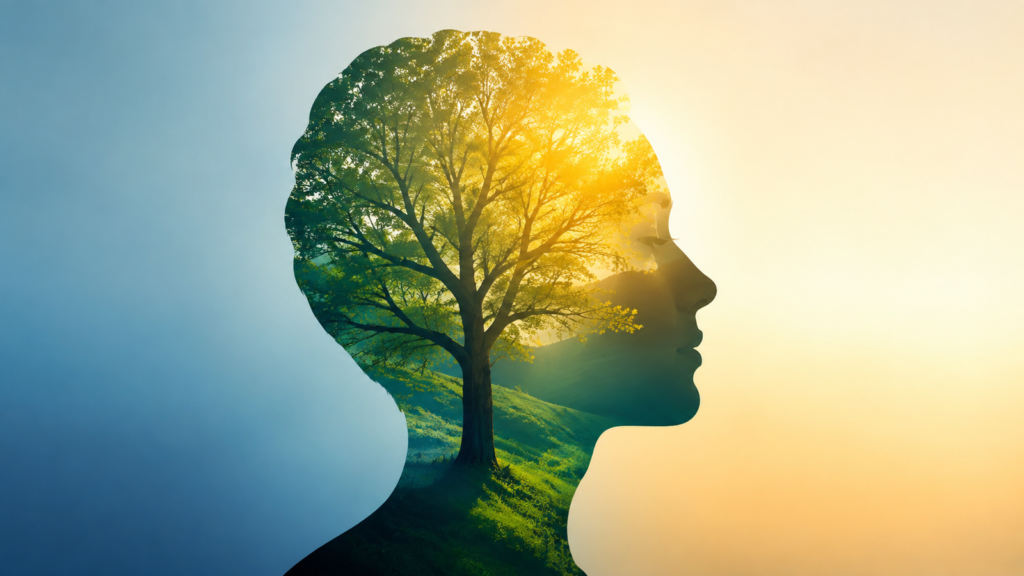
Mental Health in 2026 is becoming a bigger part of everyday conversations, workplace culture, and personal routines. What was once a topic many people avoided discussing is now increasingly connected to how we work, rest, communicate, and build healthier lifestyles.
From setting personal boundaries to prioritising downtime and emotional wellbeing, wellness is moving beyond occasional self-care moments. It is becoming part of how people approach everyday life.
Our perspective: The biggest change around Mental Health in 2026 is not just the growth of new wellness tools or services. It is the shift in how people view mental wellbeing — from something addressed only during difficult moments to something actively maintained every day.
This article explores the trends shaping the conversation around mental health and wellness in 2026.
Why Does Mental Health in 2026 Feel Different From the Past?
For many years, mental health was often treated as a private issue that people managed quietly. Conversations about stress, anxiety, burnout, and emotional wellbeing were not always easy to have openly.
Today, that attitude appears to be changing.
Several factors are contributing to this shift:
- Mental health conversations are becoming more normal. More people are openly discussing stress, emotional challenges, and the importance of seeking support when needed.
- Wellness is becoming part of everyday routines. Activities such as mindfulness, exercise, digital breaks, journaling, and setting boundaries are becoming regular habits rather than emergency solutions.
- Workplace expectations are changing. Many organisations are recognising that employee wellbeing plays an important role in productivity, engagement, and long-term success.
Mental Health in 2026 is increasingly being viewed as part of overall health — connected to relationships, work, lifestyle choices, and personal growth.
Why Is Wellness Becoming a Daily Practice?
Traditionally, many people approached mental health only when problems became overwhelming. The focus was often on fixing issues after they appeared rather than preventing them.
In 2026, wellness is increasingly shifting towards prevention.
People are paying more attention to small daily actions that support emotional balance:
- Taking regular breaks from screens
- Creating healthier work-life boundaries
- Spending time outdoors
- Building meaningful social connections
- Practising reflection and self-awareness
These habits are not about avoiding challenges completely. Instead, they represent a growing understanding that maintaining mental wellbeing requires consistent attention.
Is Burnout Influencing Mental Health Trends in 2026?
Burnout continues to be one of the biggest conversations connected to workplace wellbeing. The growing discussion around workload, flexibility, and personal boundaries shows that many people are reconsidering traditional ideas about productivity.
The expectation to always be available has started to be questioned. More individuals and organisations are exploring healthier approaches, including:
- Flexible working arrangements
- Better work-life separation
- Reduced unnecessary meetings
- More focus on meaningful productivity
While every person’s experience is different, the conversation around burnout has encouraged more people to recognise the importance of protecting their mental wellbeing.
How Is Technology Changing Mental Health in 2026?
Technology is playing a significant role in how people understand and manage their wellbeing.
Digital tools are creating new opportunities, including:
- Greater access to information: Online resources and digital platforms are making mental health discussions easier to access.
- Self-awareness tools: Apps for journaling, meditation, habit tracking, and reflection are helping people build healthier routines.
- New workplace approaches: Digital collaboration tools are encouraging businesses to rethink communication, flexibility, and productivity.
However, technology also brings challenges. Increased screen time, online comparison, and constant notifications can create additional pressure.
The relationship between technology and mental health in 2026 is not simply positive or negative — it depends on how these tools are used.
Is Mental Health Awareness Reaching Everyone?
Although mental health awareness is growing, access and acceptance are not equal everywhere.
Different communities, workplaces, and individuals still experience barriers, including:
- Limited access to professional support
- Social stigma in certain environments
- Lack of awareness about available resources
Mental Health in 2026 is becoming a more visible conversation, but continued efforts are needed to make support more accessible for everyone.
The Future of Wellness and Mental Health
The future of mental health appears to be moving towards a more balanced approach where wellbeing becomes part of everyday life rather than something addressed only during difficult periods.
As conversations continue to grow, we may see more workplaces, communities, and individuals prioritising emotional health alongside physical health.
Mental Health in 2026 represents a broader cultural shift — one where taking care of the mind becomes just as important as taking care of the body.
At The Listening Market, we continue exploring the trends shaping modern lifestyles, technology, health, and society. Explore more insights through our other reads.
Disclaimer: This article represents the perspective and observations of The Listening Market team. It is not medical advice, research analysis, or a substitute for professional support. If you are experiencing mental health challenges, consider speaking with a qualified professional or someone you trust.